
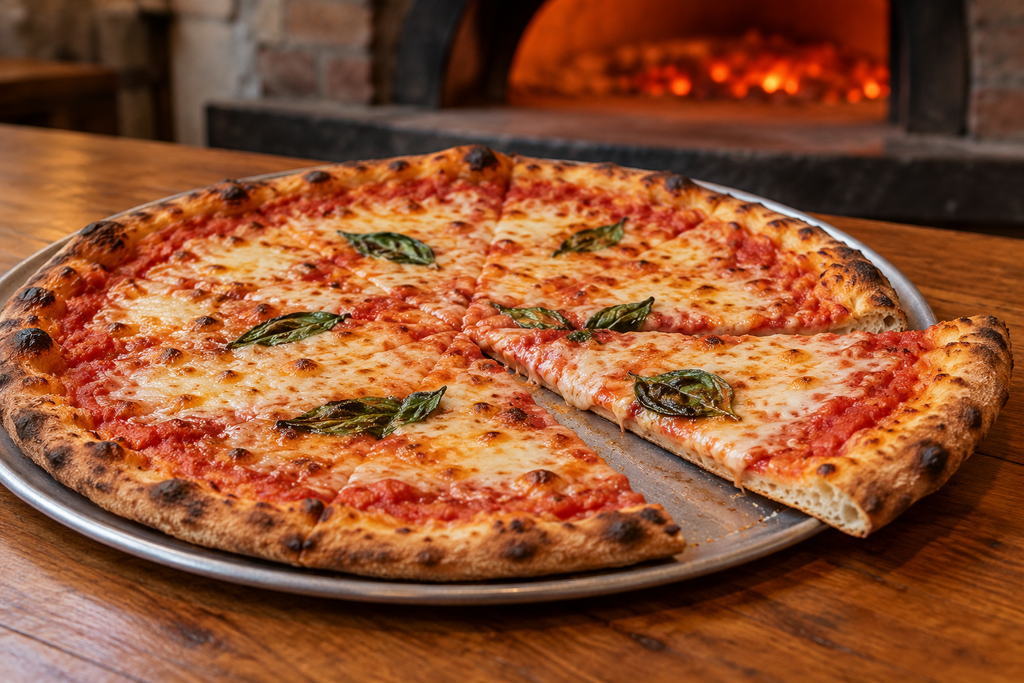
Coal-brick pizza in Astoria stands out for its crisp underside, toasted crust, and balance between browned dough and softer toppings. At Sac’s Place, coal-brick oven pizza forms part of a family Italian cooking tradition. Whether you are planning dinner with family, sharing a pizza with your partner, or exploring neighborhood restaurants, understanding the baking process helps you appreciate what makes each slice different.
What Is Coal-Brick Oven Pizza?
Coal-brick oven pizza cooks in a brick-lined oven fueled by coal. The fuel provides heat, while the masonry absorbs and transfers that energy during baking. “Coal-fired” identifies the fuel, while “brick oven” describes the oven’s construction. Together, these features create a cooking environment where managing heat is essential. The baker must watch the underside, rim, and toppings throughout the bake.
How Does Oven Heat Create a Crisp Crust?
A hot baking surface transfers heat directly into the dough’s underside, helping it develop color and structure. At the same time, heat inside the oven cooks the rim, sauce, cheese, and other toppings. This balance matters because a pizza needs more than a browned surface. The center should cook through while the crust retains an enjoyable texture.
In its pizza-stone baking tests, King Arthur Baking found that stone-baked pizza developed a crispier, more evenly browned base than its tray-baked comparison. Although a home baking stone differs from a restaurant oven, the experiment illustrates why the heated surface matters. When trying coal-brick pizza in Astoria, notice the underside as well as the outer edge. Both contribute to the texture of a finished slice.
Does a Charred Crust Mean the Pizza Is Burnt?
Scattered dark spots do not automatically mean a pizza is burnt. Localized char can appear alongside golden areas and a tender interior. However, extensive blackening and a harsh, bitter taste suggest a different result. The useful distinction is balance. Toasted areas should complement the dough, tomato, and cheese rather than overwhelm every bite.
Appearance alone cannot establish quality. A dark rim may surround an undercooked center, while a lighter pizza may still have a well-baked base. Consider the whole slice: its underside, center, edge, and flavour.
Does Coal-Fired Pizza Always Taste Smoky?
Coal-fired pizza should not automatically promise a strong smoky flavor. The fuel supplies heat, but dough preparation, topping moisture, baking time, and handling also influence the finished pizza.
For diners, browning and texture provide clearer expectations than the word “smoky.” You might notice toasted dough, contrasting textures, and browned cheese without an intense smoke taste. If you usually choose softer pizza, ask the staff what crust texture to expect. This helps you choose a style that suits your preferences.
Why Do Homemade Dough and Sauce Matter?
The oven works with the ingredients. Dough thickness, preparation, and topping quantity all affect how the pizza cooks and holds together. Sac’s Place describes homemade pizza dough and daily-made tomato sauce as part of its cooking approach. Its family roots trace to Orsogna in Abruzzo, Italy. How Can You Make Pizza Night More Enjoyable?
Start with your table’s preferences. A straightforward pizza makes it easier to notice the relationship between crust, sauce, and cheese. For a shared dinner, check the current menu and choose toppings everyone enjoys. Families can ask about suitable portions before ordering. Couples might build a relaxed meal around pizza, while curious diners can compare the texture of the rim and center.
If anyone has allergies or dietary requirements, confirm ingredients and preparation directly with the restaurant. For more neighborhood dining ideas, explore our guide to places to eat in Astoria.
Where Can You Try Coal-Brick Pizza in Astoria?
Sac’s Place serves coal-brick oven pizza at 35-11 35th Avenue, Astoria, NY 11106, near Kaufman Astoria Studios. Plan a visit, check the current menu, and enjoy the contrast between crisp crust, tender dough, and your preferred toppings.