
National Hot Sauce Day: A Fiery Journey Through Flavor, Culture, and Heat
There are plenty of food holidays throughout the year, but few ignite excitement quite like National Hot Sauce Day, celebrated annually on January 22. This isn’t just a day for spice lovers—it’s a global tribute to bold flavors, culinary creativity, and the irresistible thrill of heat.
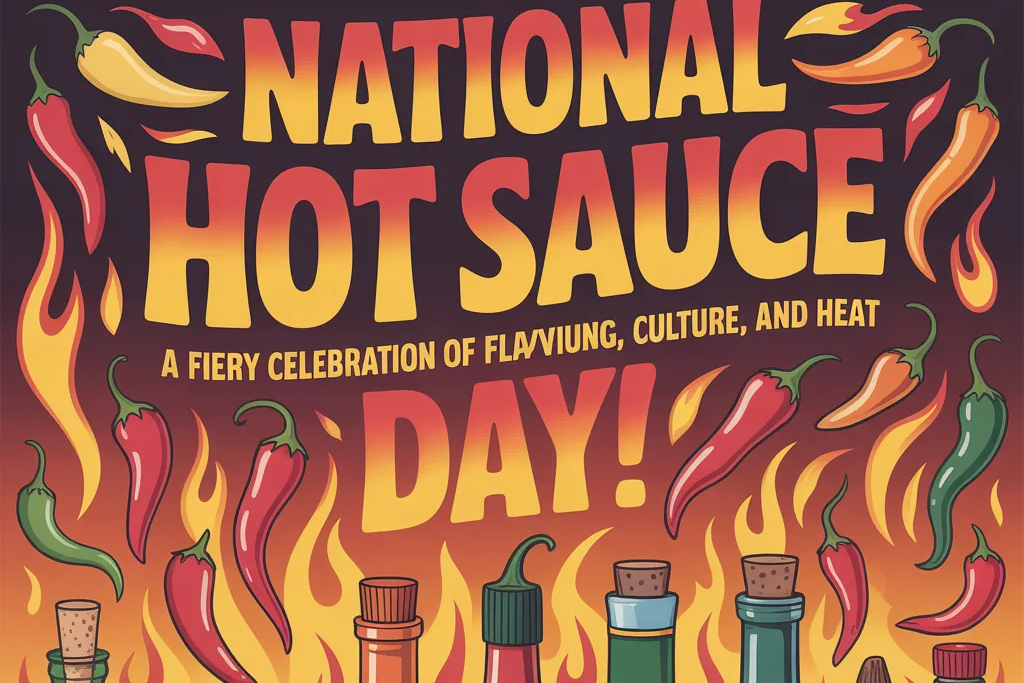
Whether you’re someone who cautiously adds a drop of hot sauce to your eggs or a fearless spice chaser who collects bottles with warning labels, this day invites everyone to explore the rich, fiery world of hot sauce. But beyond the burn, there’s a fascinating story—one that spans continents, cultures, science, and even psychology.
Let’s turn up the heat and dive into everything you need to know about National Hot Sauce Day.
The Origins of National Hot Sauce Day
Like many modern food holidays, National Hot Sauce Day doesn’t have a clearly documented origin story. It likely began as a grassroots celebration fueled by hot sauce brands, food enthusiasts, and the growing popularity of spicy cuisine in the United States.
As hot sauce became a staple in households across the country, the idea of dedicating a day to this beloved condiment gained traction. Social media helped amplify the celebration, turning it into an annual event where people share recipes, challenges, and their favorite fiery finds.
But while the holiday itself may be relatively new, the history of hot sauce goes back thousands of years.
A Spicy History: From Ancient Civilizations to Modern Tables
Hot sauce owes its existence to chili peppers, which originated in Central and South America. Archaeological evidence suggests that humans have been cultivating and consuming chili peppers for over 7,000 years.
Ancient civilizations like the Aztecs and Mayans used chili peppers extensively in their cooking. They even incorporated them into medicinal remedies and spiritual rituals. For these cultures, spice wasn’t just flavor—it was a way of life.
When European explorers brought chili peppers back from the Americas in the 15th and 16th centuries, the world changed forever. The peppers spread rapidly across Europe, Asia, and Africa, where they were embraced and adapted into local cuisines.
Over time, different regions developed their own versions of hot sauce, each reflecting local ingredients, traditions, and tastes.
The Science of Heat: Why Spicy Food Feels So Intense
Ever wondered why your mouth feels like it’s on fire when you eat hot sauce? The answer lies in a compound called capsaicin.
Capsaicin binds to receptors in your mouth that are responsible for detecting heat and pain. Essentially, your brain is being tricked into thinking your tongue is experiencing actual heat.
But here’s where it gets interesting: your body responds by releasing endorphins—chemicals that create a feeling of pleasure. This explains why spicy food can be addictive. It’s a sensory rollercoaster of pain followed by reward.
For many people, this experience becomes something to chase. The hotter the sauce, the bigger the thrill.
Understanding Heat Levels: The Scoville Scale
The intensity of a hot sauce is measured using the Scoville Heat Unit (SHU) scale. Created by pharmacist Wilbur Scoville in 1912, this system quantifies the amount of capsaicin in a pepper or sauce.
Here’s a quick breakdown:
- Bell peppers: 0 SHU
- Jalapeños: 2,500–8,000 SHU
- Cayenne peppers: 30,000–50,000 SHU
- Habaneros: 100,000–350,000 SHU
- Carolina Reaper: 2,000,000+ SHU
Hot sauces range widely in heat, from mild and tangy to intensely fiery. For enthusiasts, exploring different levels becomes part of the fun.
A Global Love Affair with Hot Sauce
Hot sauce isn’t limited to one culture—it’s a worldwide phenomenon. Each region has its own unique take on spice.
Mexico and Latin America
Mexican cuisine is synonymous with bold, vibrant salsas. From fresh pico de gallo to smoky chipotle sauces, the focus is on balancing heat with acidity and flavor.
Caribbean Islands
Caribbean hot sauces are known for their tropical flair. Scotch bonnet peppers bring intense heat, often paired with fruits like mango or pineapple for a sweet-spicy contrast.
Asia
Asia offers incredible diversity in spicy condiments. Thai Sriracha blends sweetness with garlic and chili, while Korean gochujang delivers a rich, fermented depth. Chinese chili oils add layers of aroma and complexity.
Africa
African hot sauces are bold and deeply flavorful. Peri-peri sauce, made famous in Mozambique and South Africa, combines chili peppers with citrus, garlic, and spices.
United States
In the U.S., hot sauce culture has exploded in recent years. From classic Louisiana-style sauces to experimental craft blends, there’s something for every palate.
How to Celebrate National Hot Sauce Day
There’s no shortage of ways to celebrate this spicy holiday.
Host a Hot Sauce Tasting
Gather friends and sample a variety of sauces. Compare heat levels, flavors, and ingredients. It’s a fun and interactive way to explore new options.
Spice Up Your Cooking
Try adding hot sauce to unexpected dishes. Spicy chocolate desserts, chili-infused pasta, or hot honey wings can elevate your cooking game.
Explore Local Restaurants
Many restaurants showcase bold, spicy dishes that highlight the versatility of heat. If you’re in the mood for a memorable dining experience, places like Sac’s Place demonstrate how even Italian cuisine can incorporate rich, flavorful heat in creative and satisfying ways.
Create Your Own Hot Sauce
Making hot sauce at home is easier than you might think. Blend chili peppers with vinegar, garlic, and spices to create your own signature flavor.
Take on a Spice Challenge
Feeling brave? Try a spicy food challenge and see how much heat you can handle.
Types of Hot Sauce You Should Know
Hot sauce comes in many forms, each offering a unique experience.
Vinegar-Based Sauces
These are thin, tangy, and perfect for everyday use. They’re especially popular in Southern U.S. cuisine.
Fermented Sauces
Fermentation adds complexity and depth. Sauces like Sriracha and gochujang fall into this category.
Chili Oil
A staple in many Asian cuisines, chili oil combines heat with aromatic ingredients like garlic and spices.
Fruit-Infused Sauces
These balance sweetness and spice. Mango habanero is a classic favorite.
Superhot Sauces
Made with extreme peppers, these sauces are not for the faint of heart. They’re all about intensity.
The Health Benefits of Spicy Foods
Hot sauce isn’t just exciting—it can also offer health benefits.
Boosts Metabolism
Capsaicin can help increase calorie burning and improve metabolism.
Supports Heart Health
Some research suggests that spicy foods may help lower blood pressure and improve circulation.
Pain Relief
Capsaicin is used in topical creams to relieve muscle and joint pain.
Anti-Inflammatory Effects
Spicy foods may help reduce inflammation in the body.
Enhances Mood
The endorphin release triggered by spicy food can improve mood and reduce stress.
Tips for Enjoying Hot Sauce Like a Pro
Want to take your hot sauce game to the next level? Here’s how:
Build Your Tolerance
Start with milder sauces and gradually increase the heat.
Pair Flavors Thoughtfully
Choose sauces that complement your dish rather than overpower it.
Know How to Cool the Burn
Dairy products like milk or yogurt help neutralize heat. Water won’t do much.
Store It Right
Keep your sauces fresh by following storage instructions—many last longer in the fridge.
Experiment Freely
Don’t limit yourself. Try hot sauce in soups, marinades, cocktails, and even desserts.
The Rise of Craft Hot Sauce
In recent years, hot sauce has evolved into an artisanal product. Small-batch producers are experimenting with unique ingredients and bold flavor combinations.
You’ll find sauces infused with everything from bourbon and coffee to exotic fruits and spices. Packaging has also become more creative, turning hot sauce bottles into collectible works of art.
This movement has transformed hot sauce from a simple condiment into a culinary experience.
The Cultural Power of Spice
Hot sauce is more than just a flavor enhancer—it’s a cultural symbol. It represents tradition, identity, and creativity.
Across the world, spice is deeply tied to heritage. Recipes are passed down through generations, each one telling a story. Sharing spicy food often brings people together, creating moments of connection and joy.
Why We Keep Coming Back for More
There’s something undeniably addictive about hot sauce. It’s not just the heat—it’s the complexity, the excitement, and the sense of adventure.
For some, it’s about pushing limits. For others, it’s about enhancing flavor. Either way, hot sauce has a way of transforming ordinary meals into unforgettable experiences.
Final Thoughts: Embrace the Heat
National Hot Sauce Day is a celebration of everything that makes food exciting—flavor, culture, and a little bit of daring.
Whether you’re exploring global cuisines, experimenting in your kitchen, or simply adding a dash of heat to your favorite dish, this day is all about embracing the spice.
So go ahead—open that bottle, take a taste, and enjoy the fiery journey.