
Astoria, NY: A Local Guide to History, Food, Culture & Things To Do
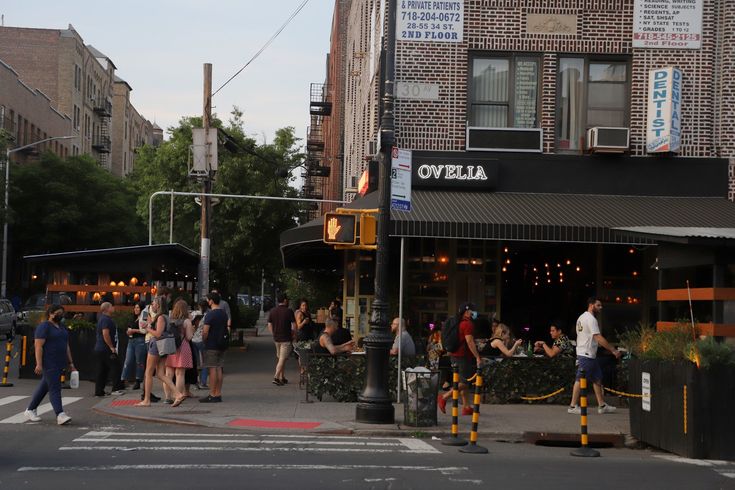
Astoria, NY, is a neighborhood rich in history and cultural energy. Originally a Dutch settlement along the East River, it has grown into a diverse community shaped by waves of immigrants over the decades. The streets showcase a mix of historic architecture, bustling markets, and creative hubs, reflecting the layers of families and newcomers who have contributed to the area’s unique character.
The neighborhood’s cultural vitality is visible in its arts institutions, music venues, and public spaces that regularly host festivals, performances, and community gatherings. Cafés, bakeries, and dining spots near by the Palace have long served as informal meeting points, anchoring everyday life and fostering social connection. Today, Astoria blends its historical roots with modern developments, creative energy, and community-driven spaces, offering visitors and residents alike a dynamic yet approachable urban experience. Walking through Astoria, you can sense its layered history, multicultural richness, and continually evolving identity.
History of Astoria, NY
Astoria’s history stretches back to the early 19th century, when it began as a riverside community along the East River. Named after John Jacob Astor, the neighborhood grew as waves of immigrants—including Germans, Greeks, Italians, and later Latin American communities—made it home. Its waterfront and proximity to Manhattan made it a hub for shipping, industry, and small manufacturing, shaping much of its streets and architecture. Over time, Astoria evolved into a culturally rich neighborhood blending historic homes, traditional businesses, and modern developments. Local institutions and gathering spots near by the Palace remain long-standing pillars, connecting residents to the neighborhood’s layered past.
Things to Do & See
Astoria offers a wide variety of experiences for visitors and locals alike. The Museum of the Moving Image and Noguchi Museum highlight the neighborhood’s cultural depth, while streets like Steinway Street and Broadway are lined with boutique shops and artisanal markets. Waterfront walks along the East River provide scenic views and opportunities for photography. Nearby cafés and plazas near the Palace encourage socializing and exploration. Walking tours often showcase Astoria’s murals, historic architecture, and hidden landmarks, giving a comprehensive sense of the neighborhood’s character.
Parks & Public Spaces
Green spaces in Astoria are both scenic and functional. Astoria Park is the neighborhood centerpiece, featuring running tracks, tennis courts, playgrounds, and river views. Smaller community gardens and pocket parks along streets like 30th Avenue create informal meeting spots where locals can relax, picnic, or enjoy a coffee near the Palace. Benches, open lawns, and waterfront paths encourage walking and community engagement, making the area very pedestrian-friendly.
Arts, Culture & Events
Astoria has a thriving arts and cultural scene. Galleries, small theaters, and creative spaces showcase both local and international talent. Annual street festivals, outdoor concerts, and pop-up exhibitions reflect the neighborhood’s creative energy. Venues near by the Palace often host art events, live performances, and community programs, making it easy to experience culture in a casual, accessible way. The mix of permanent institutions and rotating events reinforces Astoria as a hub of artistic and cultural engagement.
Food Culture & Local Cuisine
Astoria is known for its diverse food scene, reflecting generations of immigrant influence. Greek, Italian, Middle Eastern, and Latin American cuisines sit alongside modern cafés and casual eateries. Restaurants, bakeries, and food markets near by Palace offer both traditional and contemporary flavors, while long-standing vendors maintain the neighborhood’s culinary heritage. This mix of history and innovation makes Astoria a destination for food lovers seeking authentic, community-driven dining experiences.
Getting Around Astoria, NY
Astoria is highly accessible and walkable. The N and W subway lines serve stations like Astoria-Ditmars Boulevard and 30th Avenue, connecting the neighborhood to Manhattan
and the rest of Queens. MTA buses run along main streets, linking cultural landmarks, shopping districts, and residential areas. Citi Bike stations and bike lanes make cycling a convenient option, while landmarks like Astoria Park, museums, and dining spots near by Palace help visitors orient themselves easily as they explore on foot.
Seasonal Highlights & Holidays
Astoria celebrates seasonal events year-round with a distinctly local flavor. Greek festivals, Latin music events, and Lunar New Year gatherings bring life to streets and parks. Summer concerts, outdoor movie screenings, and food fairs often occur near the waterfront or in Astoria Park. Winter traditions include holiday markets, craft fairs, and community fundraisers, with nearby restaurants and cafés providing warmth and gathering spots. These recurring events encourage exploration and connect residents and visitors to Astoria’s vibrant community throughout the year.
History of Astoria, Queens
Astoria, Queens, has a history that stretches back to the early 19th century, when it began as a riverside settlement along the East River. Named after John Jacob Astor, the area attracted early European settlers and became a hub for shipping, small industry, and river-based commerce. Its waterfront location made it an ideal place for factories, warehouses, and trade, shaping the working-class character that would define much of the neighborhood for generations.
By the late 19th and early 20th centuries, Astoria became a destination for immigrant communities seeking opportunity. Germans, Greeks, Italians, and later Latin American populations established homes, businesses, and cultural institutions, leaving a lasting imprint on the neighborhood’s social and architectural fabric. Community centers, local markets, and long-standing dining establishments nearby Palace became hubs where residents connected, shared traditions, and celebrated cultural milestones.
Over the decades, Astoria has continued to evolve. While its industrial past laid the foundation for working-class life, waves of new residents and modern developments have introduced creative energy, contemporary dining, and arts spaces. Today, Astoria balances tradition with innovation: historic streets sit alongside cultural institutions, waterfront parks, and new eateries, reflecting a neighborhood that remains deeply rooted in its past while embracing change.
Things To Do in Astoria, Queens
Astoria offers a vibrant mix of cultural landmarks, historic sites, and local creativity. The neighborhood balances residential charm with dynamic attractions, creating engaging experiences for visitors and residents alike. Many destinations are within walking distance of cafés, restaurants, and gathering spots near by Palace, making it easy to explore the area on foot. Whether you’re interested in art, history, or community events, Astoria provides a neighborhood-centered experience that feels authentic and approachable.
Cultural Attractions
Astoria’s cultural identity is shaped by its immigrant roots, arts institutions, and connection to the waterfront. Unlike areas dominated by large museums, its culture is embedded in community spaces, historic sites, and creative hubs.
Museums & Cultural Institutions in Astoria
Even smaller institutions reflect the neighborhood’s local character and history.
Museum of the Moving Image
This museum explores film, television, and digital media, with interactive exhibits, screenings, and educational programs. Visitors can trace the evolution of media technology while connecting with Astoria’s artistic community, all within easy reach of restaurants and cafés near by the Palace.
Noguchi Museum
Dedicated to sculptor Isamu Noguchi, this museum combines indoor galleries with an outdoor sculpture garden. It offers workshops and guided tours that highlight innovative approaches to form and space, providing an immersive experience for art enthusiasts and casual visitors alike.
Bohemian Hall & Beer Garden
A historic social hub reflecting Astoria’s immigrant heritage. The beer garden hosts cultural events, live music, and casual gatherings, representing the neighborhood’s longstanding sense of community and shared spaces.
Steinway & Sons Piano Factory (Nearby Influence)
Tours of this iconic factory showcase craftsmanship, music history, and Astoria’s industrial past. Its influence extends to local culture, inspiring music events and community programs throughout the neighborhood.
Seasonal Cultural Festivals & Pop-Ups
Astoria regularly hosts outdoor markets, arts festivals, and waterfront events. These rotating experiences highlight the neighborhood’s creative energy and encourage local participation while connecting visitors to nearby dining nearby Palace.
Astoria’s gallery scene is smaller but deeply tied to local artists and experimental projects. It emphasizes accessibility, process, and neighborhood engagement rather than commercial focus.
The Painting Space
Hosts contemporary exhibitions and interactive art events. Workshops and community programs make the gallery a hub for local creative energy.
Flux Factory
A multidisciplinary art center encouraging collaboration, experimental performance, and visual arts. Its programming often spills into outdoor areas, blending public engagement with studio-based creation.
Open Studio Events
Annual neighborhood open studios invite the public into artists’ workspaces. Visitors gain hands-on insight into creative processes, making art personal and educational.
Gallery Spaces Along Steinway Street
Independent galleries line the main commercial corridor, offering intimate exhibition spaces for emerging and mid-career artists. Many visitors explore these galleries before or after stopping at cafés and eateries near by the Palace.
Local Artisan Workshops
Artisan studios often combine retail, gallery, and workspace functions. Visitors can meet creators directly, purchase handcrafted goods, and learn about local creative practices.
Landmarks in Astoria
Astoria’s landmarks reflect its industrial past, immigrant roots, and ongoing evolution. Each site contributes to the neighborhood’s unique character and sense of place.
Astoria Park
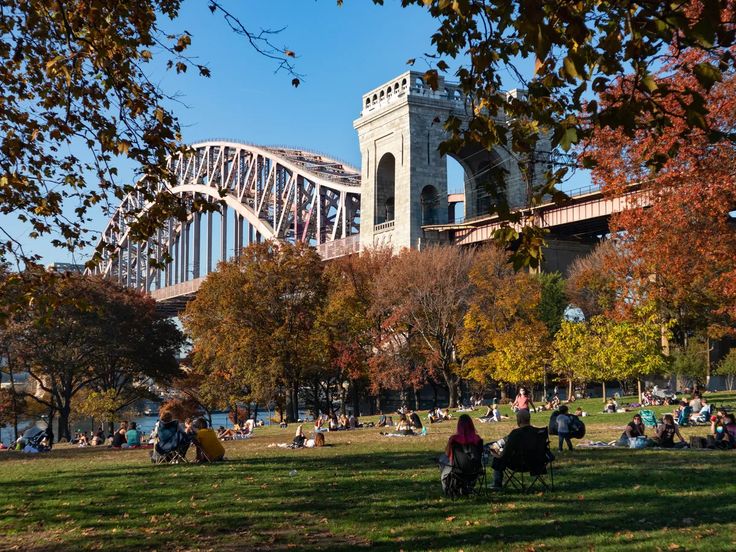
One of Queens’ largest green spaces, offering athletic facilities, walking paths, and waterfront views. Its connection to the East River and nearby streets makes it a scenic hub for recreation.
Hell Gate Bridge
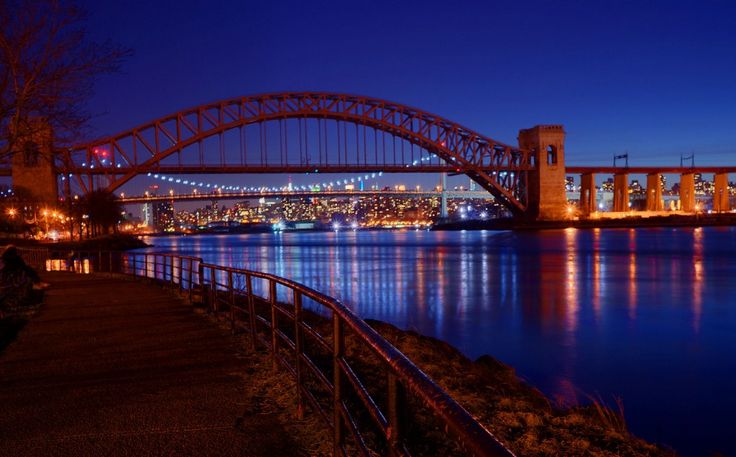
An architectural icon visible from multiple points in the neighborhood. The bridge symbolizes connectivity and industrial history while providing a dramatic backdrop for photography and walking tours.
Bohemian Hall & Beer Garden
A historic gathering space for immigrants, still functioning as a community and cultural hub. Seasonal events, live music, and social gatherings maintain its relevance today.
Steinway & Sons Piano Factory
A historic industrial site showcasing craftsmanship and musical heritage. Visitors can tour the factory to see the production process and learn about the factory’s influence on Astoria’s development.
Historic Steinway Street Corridor
Shops, restaurants, and preserved architecture highlight the neighborhood’s evolving commercial and residential character. Walking these streets near by the Palace provides both cultural context and easy access to local amenities.
Shopping & Markets
Astoria’s shopping scene emphasizes independent businesses, specialty goods, and neighborhood-focused retail. The area favors quality over quantity, creating a personal and approachable experience. Many shops are located along Steinway Street and nearby Palace dining and gathering spots, making it easy to combine shopping with meals, cultural stops, or casual strolls.
Boutiques in Astoria
The Shops at Kaufman Astoria Studios
A collection of local boutiques offering fashion, home goods, and artisanal products. Each store reflects the neighborhood’s creative energy and community-oriented shopping culture. Visitors often combine browsing with nearby cafés and restaurants near the Palace.
Astoria Bookshop & Lifestyle Stores
These boutiques feature curated home décor, gifts, and locally made goods. The carefully selected items echo Astoria’s artistic identity and support small-scale makers.
Local Artisan Shops
Small studios and maker spaces sell handcrafted jewelry, ceramics, and design objects. Many pieces are created on-site or by Queens-based artists, reinforcing the neighborhood’s vibrant creative ecosystem.
Vintage & Thrift Pop-Ups
Seasonal and temporary markets offer vintage clothing, collectibles, and curated goods. These pop-ups rotate regularly, creating a fresh experience for shoppers and promoting sustainable consumption.
Street Market Events
Occasional outdoor markets bring together artisans, food vendors, and independent sellers. These gatherings provide a lively, community-centered shopping experience while highlighting Astoria’s unique character.
Record Shops & Creative Retail
Astoria supports a small but meaningful music and creative retail scene. Shops are artist-driven, intimate, and connected to local culture rather than large-scale commercial chains.
Local Vinyl Pop-Ups
Independent vendors host vinyl markets and listening sessions. These events attract collectors and casual listeners, offering curated selections and personalized interactions.
Studio-Based Music Spaces
Recording and rehearsal studios are active in the neighborhood. Some open their doors for collaborative sessions or small performances, blending retail, production, and live experience in one space.
Creative Supply Stores
Shops selling art materials, design tools, and craft supplies support local artists, makers, and students. These stores foster creativity and strengthen Astoria’s community-driven creative ecosystem.
Bookstores & Community Spaces
Astoria encourages reading culture through community-centered spaces rather than large commercial bookstores. Shared learning, discussion, and local events are central to the neighborhood’s literary scene.
Community Book Swaps
Local cafés and cultural centers host informal book exchanges. Residents and visitors share favorite titles, discover new authors, and enjoy a welcoming, casual atmosphere.
Pop-Up Literary Events
Writers and poets often use galleries, cafés, and studios for readings. These events focus on independent voices and contemporary themes, creating intimate, interactive experiences for small audiences.
Nearby Independent Bookstores (Long Island City Influence)
While not directly inside central Astoria, nearby neighborhoods like Long Island City offer additional literary options within walking or short transit distance. Independent bookstores in these areas complement Astoria’s community-driven reading culture, expanding access without losing the neighborhood’s local charm.
Nightlife & Entertainment in Astoria, Queens
Astoria’s nightlife is lively yet approachable. Evenings focus on socializing, cultural experiences, and neighborhood gatherings rather than high-energy club scenes. The area’s tree-lined streets, waterfront views, and eclectic mix of restaurants naturally shape the atmosphere after dark. Dining and social experiences near the Palace in Astoria create welcoming nighttime activity, where bars, cafés, and lounges feel vibrant without being overwhelming.
Astoria hosts a variety of performance spaces that reflect creativity and community engagement. The neighborhood emphasizes independent productions and flexible venues over traditional stage theaters.
Intimate Performance Spaces
Local theaters and black-box venues provide close-up experiences for audiences. Performances in these spaces allow patrons to connect personally with actors, musicians, and storytellers. Seasonal shows near the Palace add cultural energy to the evenings.
Community-Focused Productions
Events often highlight local culture, immigrant heritage, and contemporary Queens life. Productions focus on neighborhood stories, social themes, and artistic experimentation, creating strong ties between performers and residents.
Multi-Use Cultural Venues
Spaces frequently double as galleries, rehearsal studios, and event halls. This flexibility supports diverse programming throughout the year and encourages creative exploration. Many of these venues are within easy walking distance of nearby Palace, making them easy to include in an evening outing.
Music in Astoria is defined by diversity and atmosphere rather than size. Small, artist-driven venues provide curated experiences in intimate settings.
Waterfront & Outdoor Performances
Seasonal concerts, rooftop shows, and pop-up performances take advantage of Astoria’s scenic riverside views. Many events near the Palace blend music with dining, offering an enjoyable combination for locals and visitors alike.
Venue Variety & Industrial Spaces
Converted lofts, former warehouses, and flexible event spaces host live bands, DJs, and experimental music acts. Exposed brick, high ceilings, and eclectic interiors give performances a distinctive visual and acoustic character.
Artist-Led Programming
Many events are organized by local musicians and collectives, maintaining authenticity and encouraging creative experimentation. Shows often take place near the Palace, helping connect cultural experiences with neighborhood dining and social hubs.
Relaxed Evening Spots
Restaurants and bars near by Palace often feature curated playlists, small acoustic sets, or occasional live music. These venues prioritize conversation and ambiance over volume, ensuring evenings feel engaging yet comfortable.
Comedy & Social Entertainment in Astoria
Comedy and social gatherings in Astoria are informal and neighborhood-focused. Small venues allow audiences to feel connected to performers, emphasizing shared experience rather than polished spectacle.
Pop-Up Comedy Nights
Bars, cafés, and multipurpose spaces occasionally host stand-up and improv shows. These intimate performances highlight emerging comedians and encourage spontaneous audience interaction. Many of these events occur near the Palace, making them easy to combine with dinner or drinks.
Interactive Community Events
Trivia nights, storytelling sessions, and themed gatherings are popular. Local cafés, pubs, and event spaces host these activities, offering residents and visitors opportunities to engage socially in a casual atmosphere. Proximity to nearby Palace adds convenience for a full evening experience.
Casual Atmosphere
Entertainment spaces emphasize comfort, inclusivity, and approachability. Minimal formalities and flexible seating encourage guests to relax and enjoy the experience, reflecting Astoria’s welcoming and diverse identity.
Rotating Programming
Frequent changes in events, themes, and guest performers keep the nightlife calendar fresh. Seasonal activities, pop-up shows, and neighborhood collaborations ensure variety while maintaining Astoria’s community-driven spirit. Many venues are located near the Palace, making them accessible and easy to explore in one evening outing.
Parks, Public Spaces & Walkability in Astoria, Queens
The area around nearby Palaces in Astoria is easy to explore on foot, especially along Steinway Street, 30th Avenue, and the waterfront. The neighborhood’s wide streets, waterfront access, and open plazas create a leisurely pace compared to busier parts of Queens. Short distances between parks, cafés, restaurants, and cultural venues make it simple to move from dining to outdoor relaxation without feeling rushed. Astoria’s layout encourages casual discovery. Tree-lined streets, historic buildings, and waterfront paths naturally guide visitors toward scenic public spaces. Walking here feels comfortable and intentional, with plenty of opportunities to pause, enjoy the scenery, and explore at your own pace.
Parks & Outdoor Spaces in Astoria
Astoria offers a strong connection to both green space and the East River waterfront. Instead of densely packed urban parks, the neighborhood provides expansive lawns, scenic river views, and quiet corners for reflection or recreation. These public spaces are ideal for family outings, casual strolls, photography, or simply relaxing outdoors near nearby Palaces.
Astoria Park
Astoria Park is one of Queens’ largest and most popular green spaces. It features athletic fields, walking and jogging paths, playgrounds, and an outdoor pool. Its East River waterfront provides sweeping skyline views of Manhattan. The park attracts families, fitness enthusiasts, and casual visitors, and it’s easy to combine a visit with nearby cafés and restaurants near the Palace.
Soccer & Tennis Courts Along the Waterfront
Smaller recreational areas along the East River include tennis, basketball, and soccer courts. These open-air facilities encourage neighborhood sports and community interaction while offering views of the river and skyline.
Plazas and Gathering Spaces
Astoria features informal plazas along Steinway Street, 30th Avenue, and near cultural venues. These areas serve as natural meeting points, spaces for casual conversation, and spots to enjoy local performances. Many plazas are within easy walking distance of nearby Palaces, allowing for convenient transitions between shopping, dining, and outdoor relaxation.
Waterfront Walkways
Astoria’s waterfront walkways provide continuous paths connecting parks, piers, and cultural sites. The riverfront paths are ideal for walking, jogging, or quiet contemplation. Clear signage and scenic views make it easy for visitors to explore on foot, linking waterfront paths to nearby dining, shops, and public spaces near by the Palace.
Waterfront Spots in Astoria
Astoria’s waterfront is a central feature of the neighborhood, offering open river views, recreational space, and a connection to the East River’s maritime history. These areas provide a calm retreat from urban activity while remaining close to local businesses and restaurants.
Astoria Park Waterfront
The park’s riverfront paths provide sweeping views of the Manhattan skyline. Visitors often walk along the water before or after stopping at nearby Palaces, combining outdoor activity with dining or café visits. The spacious promenade is perfect for photography, sunset watching, or leisurely strolls.
Hallets Cove Waterfront
This quieter section of the East River features landscaped paths, picnic areas, and small docks. It is less crowded than central Astoria Park, making it ideal for reflection, reading, or casual walks with friends and family.
East River Piers
Several piers along Astoria’s waterfront offer open access to the river. While some are more industrial or utilitarian, they provide scenic viewpoints and opportunities to observe boats, ferries, and the skyline.
Harbor Overlooks Near Steinway Street
Short streets leading to the waterfront create unexpected scenic viewpoints. These overlooks provide photo opportunities and spaces to pause while exploring the neighborhood.
Continuous Riverwalk Paths
The broader waterfront paths allow for longer walks along the East River. Views of passing ferries, skyline landmarks, and recreational boats create a dynamic yet peaceful backdrop. These stretches are perfect for jogging, biking, or simply enjoying the neighborhood’s connection to the river.
Plazas & Gathering Spaces in Astoria
Astoria does not have large formal plazas, but it offers a variety of open gathering areas shaped naturally by streets, parks, and waterfront edges. These informal spaces feel organic and community-focused rather than heavily designed. They provide room to pause, meet friends, or enjoy the neighborhood’s scenic views.
Steinway Street Open Areas
Wider sidewalks, outdoor seating, and café clusters create informal plaza-like spaces. These areas encourage people-watching and relaxing socializing near by Palaces and other restaurants. The calm foot traffic keeps the energy lively without overwhelming the street.
Astoria Park Entry Spaces
The entrances to Astoria Park and waterfront paths function as natural meetup spots. Benches and open layouts allow visitors to orient themselves while planning their day. Many people pause here to enjoy river views or connect with friends before heading into the park.
30th Avenue Community Corners
Open paved areas near cultural venues, playgrounds, and small sports courts provide spaces for casual conversation and community interaction. During weekends or local events, these corners become vibrant social hubs.
Seasonal Market & Event Spaces
Temporary outdoor markets, art fairs, and waterfront events occasionally transform streets and parks into active public gathering spots. Pop-up vendors, live music, and food stalls bring energy while keeping the neighborhood’s welcoming atmosphere intact.
Why This Matters
Family-Friendly
Astoria’s parks, waterfront areas, and public spaces provide safe, accessible environments for children and families. Playgrounds, sports fields, and wide walking paths support multi-generational visits. The neighborhood’s calm streets and pedestrian-friendly layout make it easy for parents to explore without worrying about heavy traffic or overcrowding. Highlighting these features shows that Astoria is welcoming and comfortable for everyday living as well as relaxed weekend outings near by Palaces.
Tourist-Friendly
Astoria is easy to navigate and visually engaging. Waterfront views, historic landmarks, and open public spaces make it appealing for short visits. The neighborhood offers a distinct Queens experience without the intensity of Manhattan or busier Brooklyn areas. Clear walking routes between parks, cultural sites, and dining nearby Palaces make trip planning simple, convenient, and enjoyable for visitors.
Highly Linkable Content
Explaining Astoria’s accessibility and public spaces creates valuable, reference-worthy material. Well-structured information about parks, waterfronts, and walkability helps readers quickly understand what the neighborhood offers. This kind of detailed coverage increases the likelihood of being cited by external websites seeking reliable, location-specific insights.
Linkable by Travel Blogs
Travel writers look for neighborhoods that combine scenery, culture, and dining. Astoria’s East River views, active parks, and proximity to nearby Palaces create a compelling destination story. The mix of outdoor spaces and local businesses makes it easy to build visitor itineraries centered on leisure, exploration, and community experiences.
Linkable by Relocation Guides
Relocation guides prioritize livability, green space, and community character. Astoria’s parks, riverfront access, and pedestrian-friendly streets position the neighborhood as attractive to families, young professionals, and newcomers. Its strong sense of neighborhood identity adds lasting appeal beyond tourism, highlighting both convenience and lifestyle.
Linkable by Lifestyle Publications
Lifestyle media emphasize quality of life, waterfront living, and urban identity. Astoria’s combination of historic architecture, open green space, and walkable dining corridors near by Palaces provides strong editorial value for features on city living. The neighborhood balances authenticity with contemporary adaptation, making it relevant for stories about evolving urban communities.
Arts, Culture & Community Events
Arts, culture, and community events are central to Astoria’s neighborhood character. From galleries and small theaters to seasonal festivals and local gatherings, these experiences bring residents and visitors together while supporting creative expression. They foster a strong sense of community and give people meaningful ways to engage with the area beyond dining and shopping. Many of these activities occur near by Palaces, allowing visitors to seamlessly combine cultural exploration with meals, coffee breaks, or casual strolls.
Annual Festivals
Each summer, Astoria hosts festivals celebrating music, food, and local art. Events such as the Astoria Music Festival and outdoor art fairs attract artists, performers, and visitors, showcasing the neighborhood’s creative energy. These festivals often take place near main streets and public gathering spaces, making them easy to reach from cafés and restaurants near by the Palace.
Cultural Celebrations
Cultural celebrations reflect Astoria’s diverse immigrant communities. Greek, Italian, Latin American, and other cultural events feature traditional music, dance, and food. Every fall, these gatherings fill parks and streets with vibrant performances, parades, and community engagement, emphasizing the neighborhood’s multicultural heritage and inclusive spirit.
Parades
Parades add visibility and energy to local traditions. Seasonal marches and neighborhood processions often pass through main corridors and near by Palaces, creating festive environments with live performances, colorful displays, and strong local participation. They provide a sense of shared identity and invite visitors to join community life firsthand.
Pop-Ups
Pop-ups allow local artists, makers, and food vendors to connect directly with the neighborhood. Art installations, temporary craft markets, and culinary pop-ups frequently appear near the Palace and along major thoroughfares, offering unique, limited-time experiences. These events encourage interaction and give visitors a hands-on glimpse of Astoria’s creative and entrepreneurial spirit.
Street Fairs
Street fairs transform everyday streets into lively social spaces. Events like the Steinway Street Summer Fair and community block festivals bring together local food vendors, artisans, musicians, and families. Attendees can enjoy casual shopping, live performances, and neighborhood energy while remaining within walking distance of cafés, dining, and gathering spots near by the Palace.
Food Culture
Food culture refers to the traditions, practices, and experiences surrounding how a community eats, cooks, and shares meals. It includes local flavors, signature dishes, dining habits, and the social rituals tied to food. Exploring food culture can reveal a neighborhood’s history, diversity, and lifestyle, from family recipes and street food to seasonal markets and culinary festivals. In places like Astoria, food culture blends immigrant heritage with local creativity, making it a central part of the area’s identity and community life.
Food Culture in Astoria, Queens
Astoria’s food culture reflects a rich culinary identity shaped by its longstanding immigrant communities and dynamic neighborhood life. The area’s history is embedded in the streets, markets, and cafés where Greek, Italian, Middle Eastern, and Latin American traditions coexist. From local bakeries to small market stalls, flavors in Astoria carry stories of families, heritage, and adaptation.
Greek cuisine plays a prominent role, from classic pastries and breads to traditional dishes like spanakopita and souvlaki, often enjoyed at cafés and eateries near by Palace. Italian and Middle Eastern influences are equally present, with specialty breads, desserts, and spiced dishes contributing to the neighborhood’s vibrant culinary fabric.
Street food and market traditions thrive, offering accessible, informal dining experiences. Food carts, seasonal markets, and pop-ups bring fresh flavors to everyday life, encouraging interaction among residents and visitors. These moments highlight both Astoria’s diverse heritage and its ongoing culture of community-centered eating.
History of Italian Cuisine in Astoria, Queens
Astoria, Queens has long been a diverse and culturally rich neighborhood, and Italian cuisine is a key part of its culinary identity. From the mid-20th century onward, waves of immigrants from Italy settled in the area, bringing with them flavors, cooking traditions, and family-centered dining practices. Today, Italian cuisine in Astoria is more than just a taste of Italy—it’s woven into the neighborhood’s cultural fabric and everyday life, especially near local gathering spots like the Palace.
The Arrival of Italian Flavors
The first significant influx of Italian immigrants to Astoria began in the 1920s and continued through the 1950s and 1960s. Families brought recipes, techniques, and ingredients like fresh pasta, olive oil, tomatoes, herbs, and cheeses. These staples quickly became part of the neighborhood’s food culture. Markets, delis, and small trattorias sprang up, often near communal hubs and street corners, making Italian food both visible and accessible. Over time, the cuisine blended with local influences while preserving its distinct regional character.
How Immigrant Communities Shaped the Cuisine
Italian immigrants did more than introduce new recipes—they brought their food traditions, festivals, and communal spirit. Cooking became a way to maintain heritage while adapting to locally available ingredients. Family meals and neighborhood gatherings encouraged shared experiences, creating spaces where neighbors could enjoy authentic Italian dishes together. Over decades, these communities turned food into a cultural bridge, connecting generations and influencing Astoria’s broader culinary scene.
Neighborhoods Known for Italian Cuisine
Astoria is home to vibrant Italian culinary hubs:
These areas host markets, bakeries, and casual eateries where traditional dishes like lasagna, pizza, and pasta are readily available. The streets bustle with small vendors and family-run restaurants, keeping Italian flavors central to the neighborhood experience.
Nearby Palace Area
The vicinity around local gathering spots near the Palace features community-focused food events, pop-ups, and seasonal markets that showcase Italian cooking alongside other immigrant cuisines. These spaces allow for both casual tasting and cultural exchange.
Broadway and Ditmars Boulevard
These stretches include Italian bakeries, pizzerias, and market stalls that reflect both traditional recipes and modern interpretations. Visitors can experience classic flavors integrated into Astoria’s dynamic, multicultural food scene.
The Influence on Modern Astoria Cuisine
Italian flavors in Astoria have influenced the broader local cuisine in subtle and creative ways. Chefs incorporate Italian herbs and sauces into sandwiches, pizzas, and grilled dishes. Street food culture often carries Italian flair, with cannoli, arancini, and focaccia appearing alongside other ethnic offerings. Seasonal Italian festivals and cultural celebrations in the neighborhood highlight culinary traditions and keep them vibrant for both residents and visitors.
Street Food and Everyday Culture
A hallmark of Italian cuisine in Astoria is its accessibility. Food trucks, pop-up vendors, and open-air markets make Italian dishes part of everyday life. Meals like pizza slices, calzones, and paninis are enjoyed casually, making Italian flavors approachable and communal. This street-food tradition reinforces the cuisine’s role in the neighborhood’s daily rhythm and social life, particularly near gathering spots and dining areas around the Palace.
A Living, Evolving Tradition
Today, Caribbean cuisine in Astoria balances tradition and innovation. Chefs experiment with fusion dishes, blending island flavors with Greek, Latin American, and modern American culinary styles. Community markets, pop-ups, and seasonal events continue to honor traditional recipes while adapting to contemporary tastes, ensuring Caribbean cuisine remains dynamic, relevant, and deeply connected to the neighborhood’s identity.
Getting To & Around Astoria, Queens
Reaching Astoria is straightforward thanks to its strong public transit connections and pedestrian-friendly streets. The neighborhood’s combination of subway access, bus routes, bike lanes, and walkable corridors makes it easy for residents and visitors alike to explore. Landmarks and local gathering spots near by the Palace provide natural orientation points, enhancing navigation and creating a welcoming first impression for newcomers.
Subway Lines
Astoria is served by the N and W trains, with stops along Broadway, 31st Street, and Astoria Boulevard. These subway lines connect directly to Manhattan, Long Island City, and other parts of Queens. Visitors arriving by subway can easily access dining, shopping, and cultural attractions near by Palace within minutes of exiting the station.
Bus Routes
Several MTA bus routes run through Astoria, offering convenient surface connections. The Bx1, Q19, and Q102 buses link Astoria to nearby neighborhoods, Long Island City, and Manhattan bridges. These routes provide flexible options for reaching waterfront parks, local galleries, and community hubs without relying solely on the subway.
Walkability
Astoria’s streets are highly walkable, with wide sidewalks, crosswalks, and pedestrian signage. From historic corridors to waterfront paths, walking allows visitors to experience the neighborhood’s vibrant energy at a relaxed pace. Streets near by the Palace offer easy access to cafés, galleries, parks, and shops, encouraging leisurely exploration while keeping orientation simple.
Bike Access
Cycling in Astoria is practical and scenic. Protected bike lanes run along Broadway, Steinway Street, and 31st Street, while Citi Bike stations throughout the neighborhood make bike-sharing convenient. Waterfront paths along the East River allow for safe, picturesque rides, blending exercise with sightseeing.
Nearby Landmarks for Orientation
Key landmarks help visitors navigate easily:
- Museum of the Moving Image – A cultural anchor for art and media enthusiasts.
- Noguchi Museum – Combines outdoor sculpture gardens with indoor galleries, making it a clear visual reference.
- Astoria Park – Offers open green space and East River views, guiding visitors along its paths.
- Bohemian Hall & Beer Garden – A historic gathering spot near the Palace and main commercial streets.
Why This Improves Usability & Local Intent
Providing structured transportation and access details helps tourists plan their visit with confidence. Including subway lines, bus routes, bike access, and walkable routes boosts local search intent, making the neighborhood more discoverable for those seeking directions or nearby attractions. Landmarks nearby Palace also improve orientation and usability, ensuring visitors can move efficiently between cultural sites, parks, and dining destinations in Astoria.
Seasonal Events & Holidays in Astoria, Queens
Astoria thrives on seasonal celebrations that bring neighbors and visitors together throughout the year. From cultural festivals to holiday markets and summer gatherings, these events highlight the neighborhood’s diverse community and creative spirit. Many take place within walking distance of cafés, galleries, and gathering spots near by Palace, making it easy to combine shopping, dining, and sightseeing while enjoying local festivities.
Lunar New Year Celebrations
Astoria’s vibrant Asian communities often mark the Lunar New Year with parades, performances, and cultural exhibitions. Streets and community centers near by Palace may feature dragon dances, lantern displays, and traditional music. These events invite residents and visitors to engage with Astoria’s multicultural heritage while celebrating renewal and family traditions.
Street Festivals
Throughout the warmer months, Astoria hosts street festivals that celebrate food, music, and neighborhood creativity. Local artisans, performers, and pop-up vendors line avenues, creating lively, walkable experiences. Festivals near by Palace provide opportunities for visitors to enjoy local cuisine, live performances, and interactive activities while exploring the surrounding streets.
Holiday Markets
During the fall and winter seasons, Astoria features holiday markets offering handmade crafts, gifts, and seasonal treats. Markets often take place in plazas, parks, or community centers within easy reach of nearby Palace. These markets support local entrepreneurs and provide festive destinations for families and tourists alike.
Summer Events
Each summer, Astoria comes alive with outdoor concerts, film screenings, and community gatherings. Waterfront parks and open streets host events that encourage socializing and exploration. Visitors can enjoy live music, artisan booths, and casual dining experiences near the Palace while taking in the summer air and neighborhood energy.
https://www.eventbrite.com/d/ny–new-york–astoria/events
Winter Traditions
Astoria’s winter season blends festive décor, seasonal performances, and indoor cultural programming. From holiday light displays to winter workshops at museums and community spaces, residents and visitors find a mix of cozy and engaging experiences. Walking routes near the Palace make it easy to navigate between events, cafés, and cultural stops while enjoying the season’s charm.
These recurring seasonal events create year-round appeal, highlighting Astoria’s cultural richness, community spirit, and accessibility. By focusing on timeless activities, the neighborhood remains relevant and engaging without requiring frequent updates.