
Handmade agnolotti is one of the most respected expressions of Italian pasta craftsmanship, reflecting patience, tradition, and careful technique rather than speed or convenience. Moreover, for home cooks and pasta enthusiasts, learning handmade agnolotti is not only about preparing a meal but also about understanding balance, texture, and heritage.
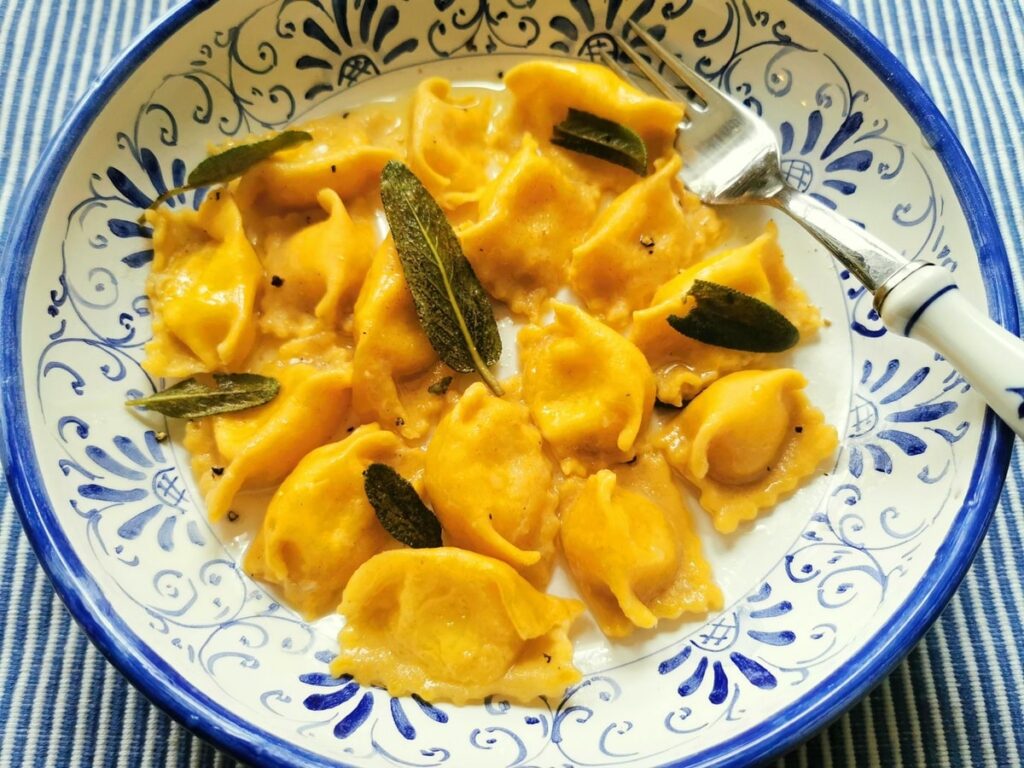
Furthermore, this classic filled pasta rewards time and attention with rich flavour and authenticity. Therefore, mastering handmade agnolotti can significantly elevate your confidence and skills in Italian home cooking.
Order Online
Exploring the Art of Handmade Agnolotti
Handmade agnolotti is a traditional filled pasta from Italy’s Piedmont region, known for its compact shape and delicate balance of pasta and filling. Moreover, it developed as a practical way to use leftover meat, making it both economical and flavorful. Additionally, its preparation reflects generations of Italian culinary tradition and regional craftsmanship.
What Defines Handmade Agnolotti
Handmade agnolotti is a small, filled pasta traditionally associated with the Piedmont region of northern Italy, known for its compact shape and refined structure. Moreover, unlike larger filled pastas, agnolotti offers an ideal ratio of pasta to filling, creating a more delicate eating experience. Consequently, each bite feels intentional and balanced. Additionally, handmade agnolotti is formed by folding thin pasta sheets over a line of filling rather than sealing large pockets. As a result, the pasta remains light while still offering deep flavour.
Historical Roots in Italian Cuisine
Handmade agnolotti originated in rural Italy centuries ago, created to use leftover roasted meats efficiently. It became a staple for family gatherings and celebrations, highlighting its cultural and social importance. Recipes were traditionally passed down orally, leading to regional variations and unique personal touches. Over time, agnolotti gained recognition beyond Piedmont, showcasing the enduring appeal and rich heritage of Italian culinary tradition.
Ingredients That Define Authentic Handmade Agnolotti
This section covers the basics of making pasta dough and preparing traditional agnolotti fillings. It highlights that a simple mix of flour, eggs, and salt forms a smooth, elastic dough, while classic fillings combine meats, cheeses, and herbs for rich, well-balanced flavours.
Pasta Dough Essentials
The pasta dough for handmade agnolotti is simple, typically made with flour, eggs, and salt. Furthermore, Italian tipo 00 flour is preferred because it produces a smooth, elastic dough. Additionally, fresh eggs provide richness and structure, which allows the dough to roll thin without tearing. As a result, the pasta cooks evenly and achieves a tender texture.
Traditional Filling Components
Classic fillings for handmade agnolotti often include cooked beef, pork, or a mix of meats, combined with cheese and herbs. Moreover, Parmigiano-Reggiano adds depth and umami, while ricotta provides softness. In addition, herbs such as parsley or sage add freshness, and nutmeg contributes gentle warmth. Consequently, the filling must be well-seasoned and flavorful before assembly, because seasoning afterwards is impossible.
The Process of Making Handmade Agnolotti
This section explains the step-by-step process of making it, from kneading and resting the dough to preparing a flavorful filling. It also covers rolling the dough thin, adding the filling, and carefully shaping each piece for perfectly sealed, evenly cooked pasta.
Preparing and Resting the Dough
Preparing the dough is a critical step in making handmade agnolotti, and attention to detail is crucial. Begin by forming a mound of flour on a clean surface and creating a well in the centre. Add the eggs and salt, then whisk gently as you gradually incorporate the flour. As the dough forms, kneading becomes essential. Moreover, kneading for about ten minutes develops gluten and elasticity. Afterwards, resting the dough relaxes it, making rolling significantly easier.
Creating a Balanced Filling
While the dough rests, preparing the filling allows flavours to develop fully. Start by finely chopping cooked meat or gently cooking fresh beef until tender. Combine the beef with ricotta or another soft cheese, then add grated Parmigiano-Reggiano, herbs, and seasoning. Moreover, tasting the filling at this stage is essential. Consequently, adjustments can be made early, ensuring the final it is balanced and satisfying.
Rolling, Filling, and Shaping
Rolling the dough thin is essential for authentic handmade agnolotti. Use a pasta machine or rolling pin until the sheet is thin enough to see through. Place the sheet on a floured surface and pipe or spoon the filling in a straight line, evenly spaced. Fold the dough over the filling and gently press around each portion to remove air. Consequently, cut the pasta into individual pieces. As a result, the agnolotti are neatly sealed and ready for cooking.
Cooking and Serving Handmade Agnolotti
This section covers how to cook handmade agnolotti perfectly, ensuring they stay tender and intact. It also suggests sauces that complement the pasta, like brown butter, light tomato sauces, or meat-based broths, which enhance the filling without overpowering it.
Proper Cooking Techniques
Cooking handmade agnolotti requires careful timing. Bring a large pot of well-salted water to a rolling boil and gently add the pasta. Initially, the agnolotti sink, but they soon rise to the surface. Once floating, cook for one to two additional minutes. Consequently, the pasta becomes tender while maintaining structure. Remove with a slotted spoon rather than draining to protect the delicate shape.
Sauce Pairings That Work Best
Handmade agnolotti pairs best with restrained sauces that enhance the filling. Butter-based sauces, such as brown butter with sage, add nutty richness without overpowering the pasta. Light tomato sauces provide acidity and freshness, especially when made with high-quality tomatoes. Additionally, traditional Piedmontese preparations often use meat juices or light broth, which allows the handmade agnolotti to remain the Budget Friendly Restaurant.
Common Mistakes to Avoid
Overfilling is a common mistake that causes it to burst during cooking. Rolling the dough too thick is another issue, resulting in heavy pasta. Additionally, poor sealing allows filling to escape into the water. Therefore, pressing edges firmly is essential. Moreover, overcrowding the pot leads to uneven cooking, so preparing batches is often necessary.
Storing and Freezing Handmade Agnolotti
Handmade agnolotti can be prepared in advance with excellent results. Arrange uncooked pieces on a floured tray and freeze until firm. Then, transfer them to airtight containers. Frozen agnolotti can be cooked directly from frozen, making future meals easier. When stored properly, they maintain texture and flavour for several months.
Why Handmade Agnolotti Is Worth the Effort
Handmade agnolotti requires patience, yet the rewards extend far beyond taste. Moreover, the process builds technical skill and deepens appreciation for Italian culinary traditions. Additionally, each attempt improves confidence and efficiency. As a result, the experience becomes more enjoyable over time. Ultimately, it represents craftsmanship, care, and respect for ingredients, making it one of the most fulfilling pasta projects for dedicated home cooks.
Final Thoughts
Handmade agnolotti stands as a true example of Italian culinary craftsmanship, where patience, technique, and respect for ingredients come together. Moreover, learning to make it encourages a deeper connection to traditional cooking methods rather than relying on shortcuts. Additionally, the process teaches balance, from rolling the dough thin to seasoning the filling correctly. Consequently, each step contributes to a refined and satisfying final dish. Ultimately, handmade agnolotti is not just about creating pasta at home but about embracing a timeless tradition that rewards care, practice, and passion with every bite.