
Introduction to Baked Polenta Food
Baked Polenta Food is one of those comforting dishes that sits beautifully between rustic tradition and modern cuisine. It’s creamy, golden, and satisfying, with a flavour that pairs perfectly with almost anything. Imagine a dish that feels like a warm hug after a long day—yes, that’s baked polenta.
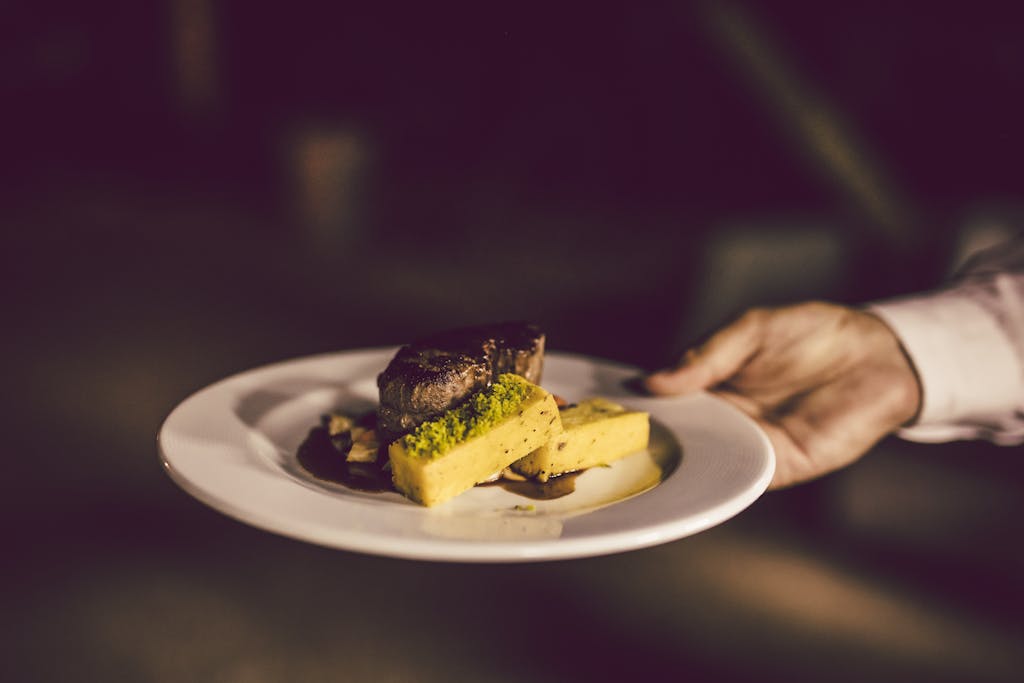
It’s not just Italian; it’s universal comfort food that adapts to every table. Whether you’re a food lover exploring global flavours or just someone craving a cosy meal, it delivers the best of both worlds.
Order Online
What Is Baked Polenta?
Polenta essentially made from ground cornmeal that’s simmered until it becomes thick and creamy. Once cooled, it can sliced and baked, turning into a golden, firm dish with a soft interior and a slightly crisp exterior. It Food can topped with sauces, cheeses, or vegetables, or served as a hearty side dish. It’s incredibly versatile and can easily replace pasta, rice, or bread in many meals.
The Origin of Polenta
Polenta traces its roots to Northern Italy, where it was considered a staple for centuries. Traditionally, it was cooked over an open flame and stirred constantly with a wooden spoon. Before corn was introduced to Europe, people made polenta using other grains like millet and buckwheat.
Once corn arrived from the Americas, the dish transformed into the beloved golden comfort food we know today. In Italian households, polenta wasn’t just food; it was a cultural centrepiece—simple, affordable, and filling.
Why People Love Baked Polenta Food
What makes it so special is its texture and adaptability. It can be creamy, crispy, cheesy, or layered with vegetables. You can enjoy it as a main dish or a side, and it easily fits vegetarian or gluten-free diets. Plus, baked polenta absorbs flavours beautifully, which means it works with sauces, herbs, and seasonings from all kinds of cuisines. It’s the kind of dish that always feels familiar, no matter where you come from.
Ingredients That Make It Perfect
The beauty of baked polenta lies in its simplicity. The base requires just cornmeal, water or broth, butter, salt, and sometimes a bit of cheese or milk for richness. The cornmeal gives that signature yellow colour and subtle sweetness, while butter and cheese create depth and creaminess. Many cooks experiment by adding garlic, herbs, or roasted vegetables before baking, turning a basic dish into a masterpiece.
How Baked Polenta Food Is Made
Making it isn’t as tricky as it sounds. First, the cornmeal slowly whisked into boiling water or broth to prevent lumps. It’s then cooked until thick and smooth, which can take about 30–40 minutes. Once the it cools slightly, it’s poured into a baking dish, topped with cheese or sauce, and baked until golden brown. The result? A dish that’s crispy on the outside, creamy on the inside, and utterly irresistible.
Baked Polenta Variations
One of the joys of it is that it’s endlessly customizable. Some people love it topped with marinara sauce and melted mozzarella for an Italian twist. Others prefer layers of roasted vegetables, mushrooms, or even a meaty ragu. There’s baked polenta lasagna, baked polenta fries, and even breakfast polenta with eggs and herbs. You can go simple with butter and Parmesan or bold with spicy tomato sauce and grilled vegetables.
Pairing Ideas for Baked Polenta Food
Pairing baked polenta with the right dishes can elevate your meal experience. It goes beautifully with grilled chicken, roasted lamb, or sautéed greens. A mushroom ragout or tomato basil sauce can turn it into a restaurant-worthy vegetarian meal.
For something light, try pairing it with a crisp salad dressed in olive oil and lemon. Baked polenta is like a blank canvas—you can paint it with any flavour palette you love.
Nutritional Value of Baked Polenta
Polenta is naturally gluten-free, which makes it an excellent choice for those avoiding wheat. It’s rich in complex carbohydrates, providing steady energy, and when baked with olive oil or cheese, it also delivers healthy fats and protein. Depending on your toppings, it can be a wholesome, balanced meal. Plus, cornmeal is a source of essential minerals like iron, magnesium, and zinc.
Texture and Taste: What to Expect
When you bite into baked polenta, expect a gentle crunch followed by a soft, creamy middle. It’s buttery, slightly sweet, and earthy, with a comforting warmth that reminds you of home-cooked meals. The texture depends on how long it’s baked—shorter baking times keep it tender, while longer ones make it crisp and firm. Every bite feels rich but not heavy, making it satisfying without being overindulgent.
Cultural Influence of Baked Polenta
Baked polenta may started in Italy, but today, it’s found in kitchens worldwide. In France, you might see it served with creamy mushroom sauce. In the U.S., it often appears as a gluten-free alternative to pasta. Latin American cuisines also celebrate corn-based dishes, showing how connected global comfort foods can be. This universal appeal makes baked polenta a timeless dish that crosses borders.
Modern Takes on Baked Polenta Food
Modern chefs are reinventing baked polenta in fun, creative ways. You’ll find it cut into fries, used as pizza crust, or layered like lasagna. Some restaurants serve It bites topped with truffle oil and herbs, while others offer vegan versions with plant-based cheese. The combination of tradition and innovation keeps baked polenta relevant in today’s food trends.
Tips for the Best Baked Polenta
The key to perfect It is patience. Simmer the cornmeal, whisking often to avoid lumps. Use good-quality broth for added flavour. When baking, brush the top with olive oil or butter to get that perfect golden crust. Let it rest for a few minutes before cutting—it firms up beautifully as it cools. If you’re serving it to guests, sprinkle fresh herbs or grated Parmesan on top for an elegant touch.
Common Mistakes to Avoid
One common mistake is rushing the cooking process. Polenta needs time to thicken and absorb liquid properly. Another is not seasoning enough—cornmeal can taste bland without salt, butter, or broth. Overbaking can also make it too dry, so keep an eye on the texture. Remember, good baked polenta should be creamy on the inside, not crumbly.
Why Baked Polenta Food Comfort Food Redefined
There’s something deeply comforting about baked polenta. It’s simple, nourishing, and satisfying in a way few dishes are. It’s the kind of food that feels like home—warm, rich, and full of flavour. Whether served with a hearty sauce or eaten plain with melted butter, it’s proof that comfort doesn’t have to complicated. In a world where fast food dominates, It brings us back to slow, mindful cooking.
Serving Ideas for Every Occasion
You can serve it at brunch, dinner, or even as a party appetizer. Slice it into squares and top with roasted vegetables for a colourful plate. For holidays, serve it with gravy or baked cheese for extra indulgence. You can even make mini polenta cups filled with pesto or mushrooms for fancy gatherings. Its versatility makes it perfect for any occasion, big or small.
How to Store and Reheat Baked Polenta
Suppose you have leftovers, It stores beautifully. Please keep it in an airtight container in the refrigerator for up to five days. To reheat, you can warm it in the oven or pan-fry slices until crisp again. It also freezes well—just slice, wrap, and store for up to two months. When ready to eat, thaw and bake until golden. The flavour and texture hold up surprisingly well.
The Beauty of Simplicity
At its core, It is proof that simplicity often wins. You don’t need fancy ingredients or complicated steps to make something delicious. Just a bit of cornmeal, patience, and creativity can produce a dish that feels luxurious. It’s a reminder that great food isn’t always about extravagance—it’s about balance, warmth, and the love you put into it.
Conclusion
It Food is the epitome of comfort and versatility. It carries history, texture, and flavour in every bite. From rustic Italian kitchens to modern dining tables, it has stood the test of time. Whether served as a side dish or the star of the meal, baked polenta offers the kind of satisfaction that only real, honest food can. So the next time you crave something hearty yet simple, give it a try—it might just become your new favourite comfort food.
FAQs
Q1: baked polenta gluten-free?
Yes, polenta naturally gluten-free because it’s made from cornmeal, making it an excellent option for people avoiding gluten.
Q2: Can I make baked polenta ahead of time?
Absolutely. You can prepare the polenta, pour it into a dish, and refrigerate it. When ready to serve, just bake it until golden.
Q3: What’s the best cheese for baked polenta?
Parmesan, mozzarella, or cheddar all work beautifully. For a creamy finish, try mixing in some mascarpone or cream cheese.
Q4: Can I freeze baked polenta?
Yes, slice and freeze portions in airtight containers. When needed, bake directly from frozen until heated through.
Q5: What can I serve with baked polenta?
It pairs wonderfully with grilled meats, vegetable stews, or simple tomato-based sauces for a satisfying meal.